Mozambique: Disaster Preparedness and Anticipatory Action
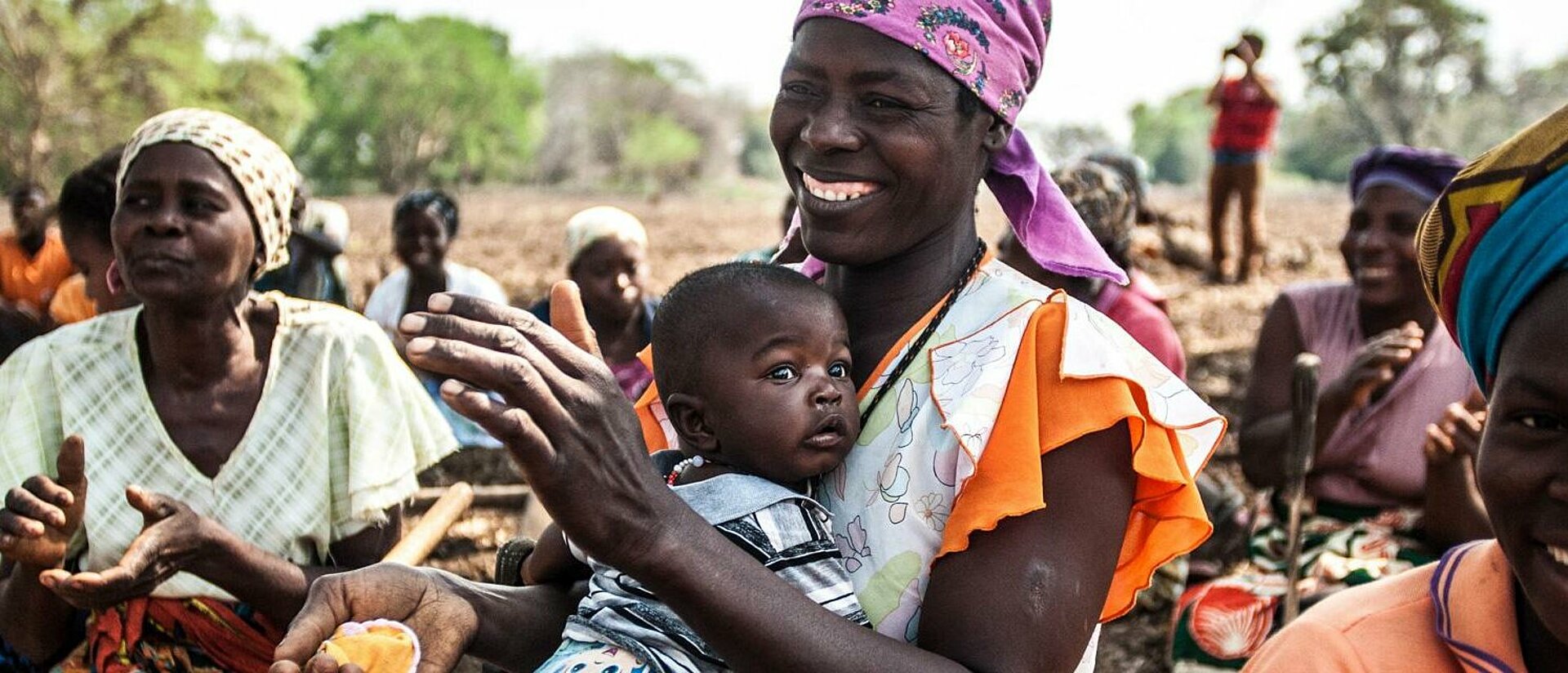
Mozambique is highly affected by natural disasters and the impacts of climate change, which regularly threaten the livelihoods of its largely impoverished population. The German Red Cross (GRC) supports the Mozambique Red Cross (CVM) in improving disaster preparedness and in developing and implementing effective humanitarian interventions.
Climate Change and Natural Disasters
On average, Mozambique is hit by one tropical cyclone per year. Seasonal floods and droughts are also common, causing significant damage. Urban areas are particularly at risk due to high population density and closely built structures, but rural communities, whose livelihoods depend on agriculture, are also regularly threatened by extreme weather. Over 70 percent of the population lives in extreme poverty, lacking the resources to adequately protect themselves from the adverse effects of climate change.
Emergency Response Project: Severe Flooding in Mozambique
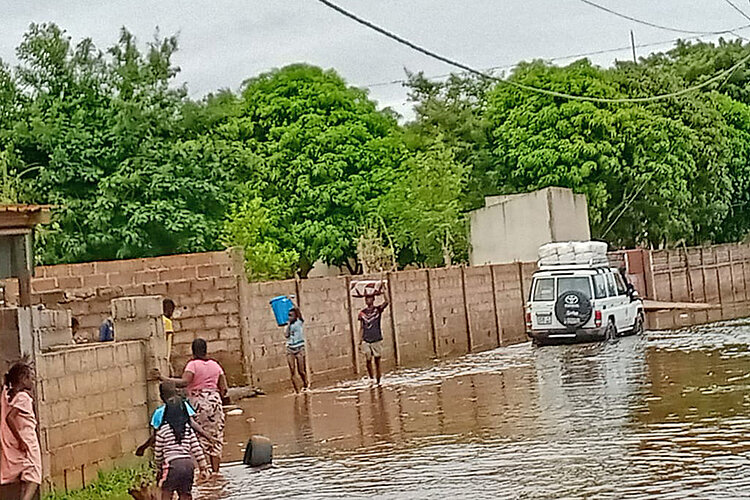
Since the end of December 2025, Mozambique has been facing major flooding caused by persistent heavy rainfall. In the southern provinces of Gaza and Maputo, over 460,000 people have been affected by the floods. On 16 January 2026, a nationwide state of emergency was declared.
Humanitarian Needs
Particularly vulnerable groups—including the elderly, children, women, people with disabilities, and communities dependent on agriculture and fishing—urgently require humanitarian assistance. Without support, they face an increased risk of disease outbreaks and the loss of their livelihoods. Due to extensive destruction, there is an urgent need for emergency shelters, basic relief items, medical services, and access to clean water.
Emergency Response Project
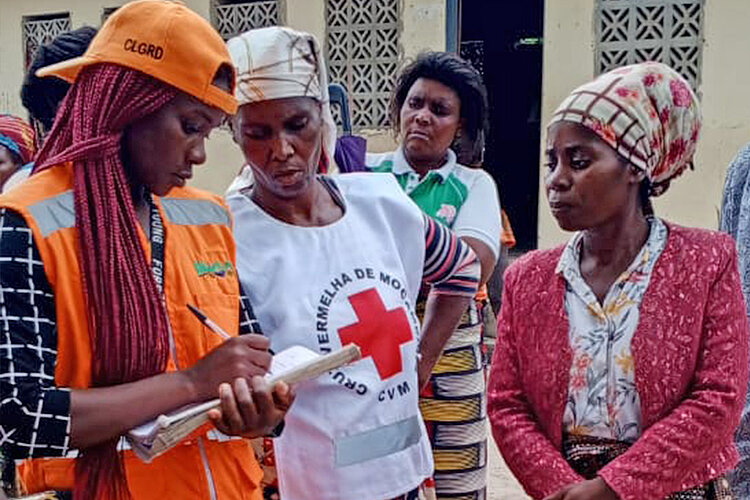
The German Red Cross is working closely with the Mozambique Red Cross, which plays a central role on the ground in emergency response and disaster preparedness and relief.
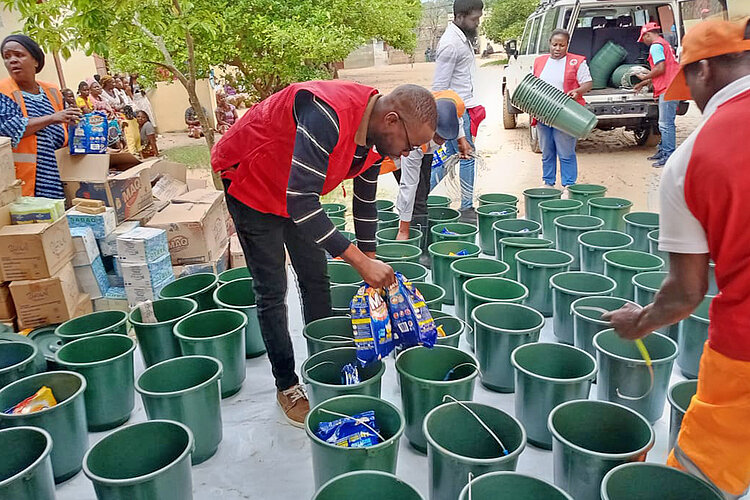
The newly launched emergency response will benefit 15,000 affected people and includes the following measures:
- Relief Supplies: Procurement and distribution of tarpaulins, blankets, mosquito nets, first aid kits, chlorine tablets for water purification, and basic household items.
- Water and Hygiene: Installation of latrines in emergency shelters, distribution of water containers and water purification products. In addition, hygiene trainings and awareness-raising activities are conducted to promote safe hygiene practices, reduce the risk of disease, and strengthen sustainable use of water and sanitation facilities.
Project: Emergency Flood Response in Southern Mozambique
Region: Southern Mozambique (Provinces of Gaza and Maputo)
Project Duration: 28.01.2026 – 30.04.2026
Funding: Federal Foreign Office
Budget: 180,000 EUR
Partner: Mozambique Red Cross
Forecast-Based Humanitarian Action in Mozambique
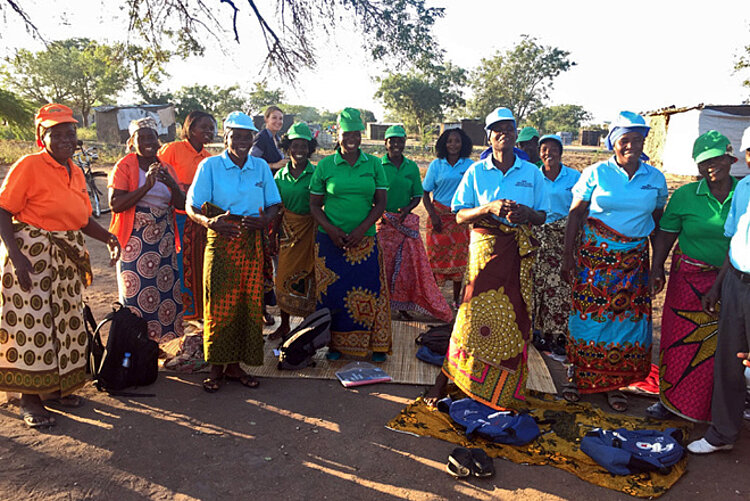
The GRC’s collaboration with the Mozambique Red Cross focuses on disaster preparedness and humanitarian response activities. In 2015, Mozambique was one of three pilot countries worldwide to trial approaches for Anticipatory Action (at the time within the framework of “Forecast-based Financing”). Since then, these approaches have been further developed to enable early action based on weather and climate forecasts before disasters occur, reducing the potential impact of natural hazards on vulnerable populations. This predictive approach is intended to be integrated into the national disaster management system in the long term, in close cooperation with national authorities, institutions, and international experts such as the Red Cross Red Crescent Climate Centre.
Disaster Preparedness Activities
A central component of effective disaster preparedness is the establishment and maintenance of early warning systems and the introduction of standardised Early Action Protocols. This allows targeted preventive measures, such as evacuations, securing homes, or distributing relief supplies.
Through targeted training and community-based disaster preparedness projects, residents in particularly vulnerable communities are actively involved in preparedness efforts. This not only increases their safety but also raises awareness of risks and the appropriate response to natural hazards. Special attention is also given to the specific disaster risks associated with urban infrastructure.
GRC in Mozambique
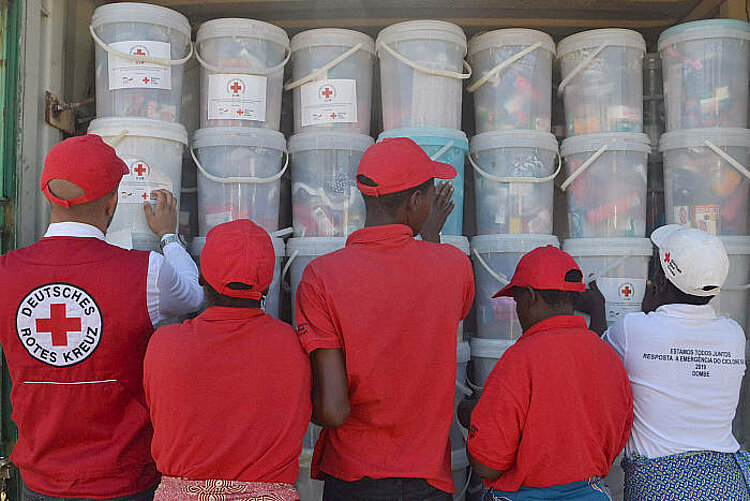
The German Red Cross has been active in Mozambique since 2002, supporting our partner across a wide range of humanitarian initiatives. After years of strengthening resilience, supporting recovery, and providing assistance in water, sanitation, shelter, and health, the GRC has, as of 2023, shifted its focus entirely to Anticipatory Action and responding to natural hazards. The goal is to respond early to climate-related risks, minimise humanitarian impacts, and better protect affected populations in collaboration with the Mozambique Red Cross.
Immediate Response after Natural Disasters
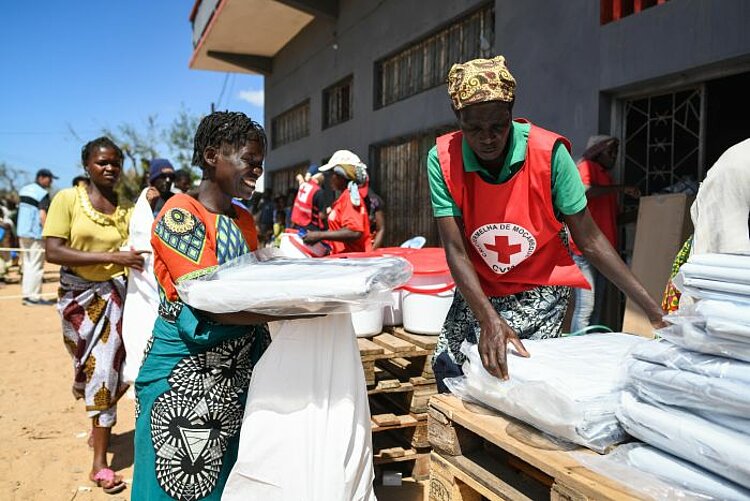
After the devastating Cyclone Idai in 2019, which caused severe flooding and widespread destruction, the Mozambique Red Cross was intensively involved in emergency response. The focus was on providing clean water, food, first aid, and repairing sanitation facilities. Hygiene items and other urgently needed relief goods were also distributed. The provision of temporary shelters and ensuring adequate water and sanitation services was particularly important to protect the health of affected people. Participants in our projects received training on basic hygiene practices. In 2026, the GRC continues to support its partner in responding to flooding in the country.